Finding the right artist, and the order that wasn’t what it promised
Every book needs a different hand. One hard lesson taught me exactly where I stand on real art.
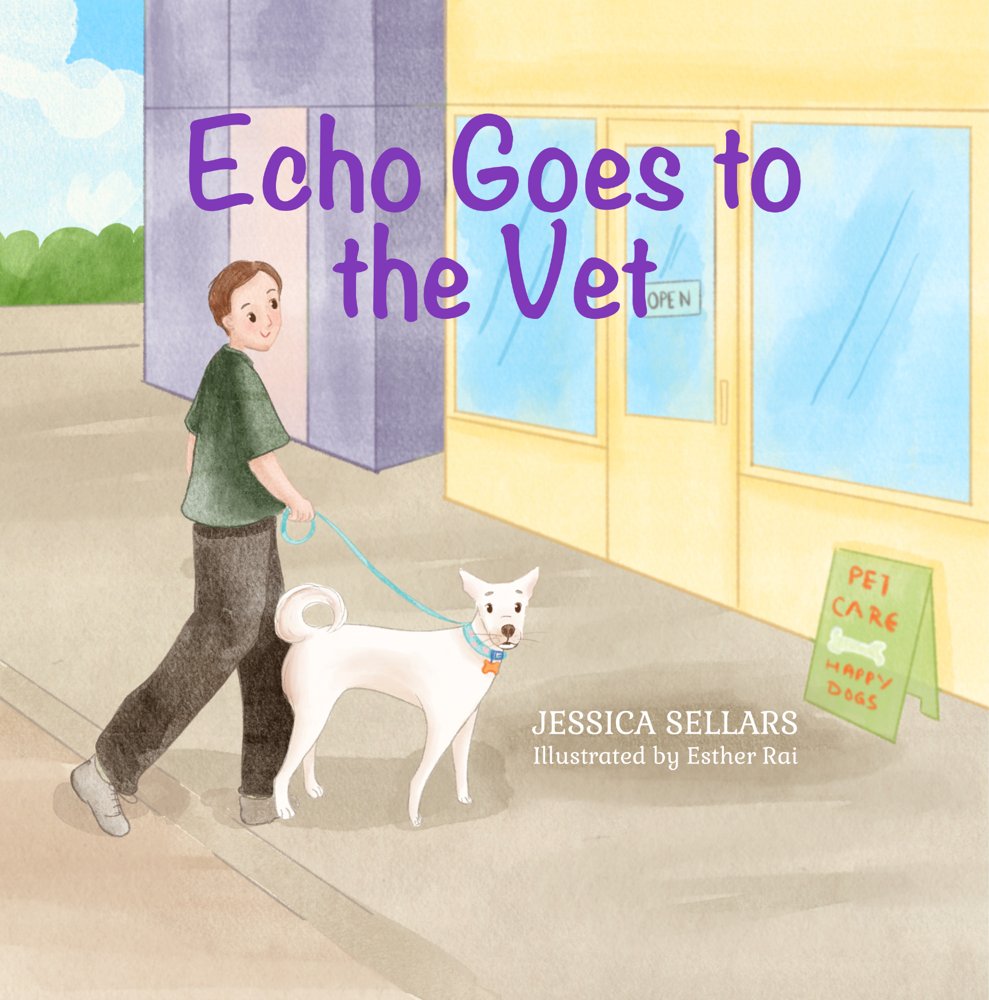
Finding an illustrator is one of the hardest parts of making a book. It isn’t just about talent. The right artist for a warm, funny picture book about my dog is not the right artist for a dark slipstream cover, and neither one is necessarily the right person to draw a fantasy map. Each project has its own feel, and I want art that fits it.
What makes it hard
- Style has to match the story. I can look at a hundred beautiful portfolios and still not find the one that feels like the book.
- Timing and availability. The best artists are often booked out for months. One illustrator I hoped to work with is simply too busy right now.
- Sometimes it just doesn’t fit. I’ve had a collaboration that didn’t work out, and I’ve gone back to looking. That’s part of the process.
The disappointment
I once ordered art that was listed as hand-drawn and made only by a human. When it arrived and I looked closely, it was clear that it had been generated entirely by AI.
I was crushed. I had paid for a person’s skill and time, and I had planned to put that work in front of readers with the promise that it was real. Instead, I had something I couldn’t use.
I asked for a refund. I explained what I had ordered and what I had received, kept my messages calm and clear, and kept a copy of everything. It was frustrating and it took time, but it reminded me why I care so much about this.
My promise about art
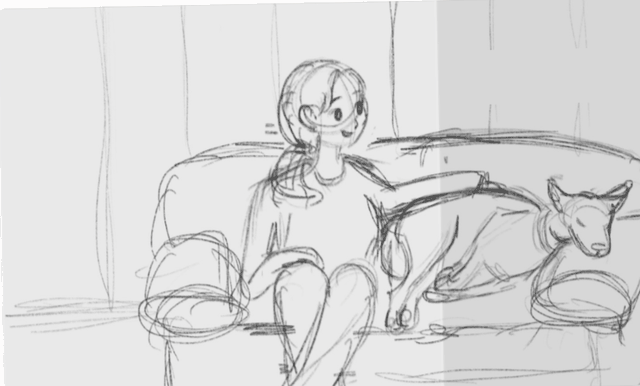
Every final draft of every book I sell will have real, human-made art. The art in my children’s books is drawn by a real illustrator, and every book after them will be the same.
I want to be open about the AI concept art on my fiction pages. When I started writing those novels, I never imagined I’d be writing for anyone but me. I have a hard time picturing things in my head, so I used AI images as a sounding board for how the world and the covers might look. They are placeholders, and they’ll be replaced with real art once I’ve hired an illustrator.
Where AI fits, and where it doesn’t
Now that I’m sharing my work with readers, here is how I use AI:
- Brainstorming. Talking through ideas, like a whiteboard that talks back.
- Consistency passes. ADHD makes it hard for me to stay in one novel long enough to keep every detail straight, so I use AI to help catch continuity slips. More on that in my post about writing with ADHD.
That’s it. The words are mine, the final art is made by people, and real beta readers and testers will always read my books before they reach you.
If you’re an illustrator whose style might fit one of my books, I’d love to hear from you at hello@waypointink.com.